How to Turn First-Time Clients Into Loyal Advocates in Medspa Practice Sales
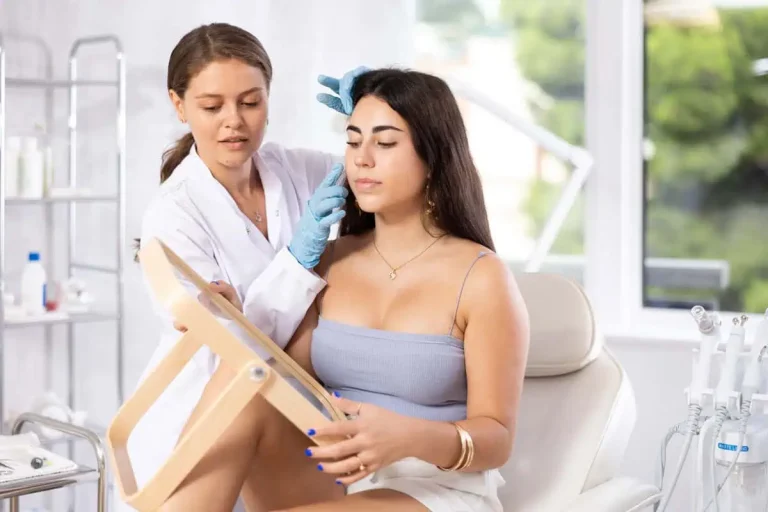
A first visit to a medspa is rarely just a transaction. For most clients, it is a test of trust. They are deciding whether your practice is competent, discreet, honest, and worth returning to when the next concern appears in the mirror. That reality shapes everything about Medspa Practice Sales, because the strongest growth rarely comes from one-time promotional traffic. It comes from people who come back, buy more than one service category over time, and tell friends, spouses, coworkers, and neighbors where they go.
Owners often focus heavily on lead volume, ad spend, and monthly revenue. Those matter, but they can distract from the more durable engine underneath: conversion into loyalty. If a medspa can consistently turn first-time clients into repeat clients and then into vocal advocates, the business becomes easier to scale, easier to market, and far more attractive in any future sale. Buyers do not just value top-line sales. They value predictable sales. A practice with a healthy rebooking rate, strong retention, and organic referral momentum commands a different kind of respect.
The interesting part is that loyalty in a medspa setting is not built through a single “wow” moment. It comes from a series of small decisions, many of which happen behind the scenes. Scheduling, consultation style, post-treatment follow-up, how pricing is explained, whether expectations are managed with care, whether front desk staff recognize a familiar face, all of it counts. In my experience, the medspas that create advocates do not feel scripted. They feel consistent.
Loyalty begins before the first treatment
Many practices think of retention as something to address after checkout. By then, some of the damage is already done. A client begins forming an opinion the moment they encounter your brand online, call your office, or ask a question through social media or text.
A surprising number of first-time visitors are anxious before they ever arrive. Some worry about pain. Others worry about looking overdone. Many are comparing three or four providers and looking for a reason to eliminate options. If your booking process is confusing, if your website buries pricing cues, or if your staff sounds rushed on the phone, you are quietly training the client to keep their emotional distance.
The practices that convert well tend to remove friction early. Their websites make service categories easy to understand. Their before-and-after photos are credible rather than exaggerated. Their online forms are short enough to finish without annoyance. Most important, they set realistic expectations. A first-time client who books toxin, a laser consultation, or a skin program should understand what the appointment includes, how long it takes, and what the likely next steps are.
That clarity does not reduce sales. It usually improves them. When clients feel informed rather than cornered, they listen more carefully once they are in the treatment room.
The consultation is where trust either compounds or breaks
In medspa practice sales, the consultation is often misused as a pitch. Clients can feel that immediately. If every sentence points toward upsell, package, membership, or add-on, the practitioner may generate short-term revenue and quietly destroy long-term value.
A stronger consultation feels diagnostic rather than promotional. The provider asks good questions, studies the client’s concerns, notes history, and translates technical information into plain language. They explain not only what they recommend, but what they do not recommend and why. That last part matters more than most teams realize. Nothing builds credibility faster than professional restraint.
I once watched two different injectors handle nearly identical first-time clients. The first recommended a broad mix of neurotoxin, filler, skin tightening, and a monthly facial program in one conversation. The second said, in effect, “Your strongest win right now is this one treatment. Let’s see how you heal, how you like the result, and then decide whether anything else is even necessary.” Guess which client returned three times in six months and referred her sister.
Clients are not offended by expertise. They are wary of pressure.
The consultation should also frame the treatment as a journey without making it sound like an endless spend cycle. There is a balance here. A good provider explains what can be achieved today, what may require several sessions, and where maintenance fits in. A poor provider blurs those lines and leaves the client wondering whether the plan is medically sound or commercially motivated.
First impressions are operational, not just interpersonal
Owners sometimes think loyalty lives entirely in bedside manner. It does not. Operational sloppiness can erase excellent clinical work.
If a first-time client waits 20 minutes past appointment time with no explanation, they notice. If intake forms ask for information already submitted online, they notice. If a treatment room feels cluttered, or if the checkout process turns into a confusing discussion of credits, packages, and expiration dates, they notice. Every small irritation becomes part of the story they tell themselves about your practice.
The best medspas choreograph the visit without making it feel mechanical. Arrival is warm and efficient. Consultations start on time. Treatment plans are documented clearly. Payment is straightforward. Follow-up instructions are specific and easy to reference later. That sort of reliability is not glamorous, but it Medspa Practice Sales is powerful.
From a practice value standpoint, this matters enormously. A medspa that depends on one charismatic provider but lacks stable systems is harder to transfer, harder to scale, and riskier to buy. A medspa with sound operations can reproduce trust across multiple providers and locations. Buyers in Medspa Practice Sales look for exactly that.
Selling the right first service matters more than selling the most expensive one
There is a common mistake in aesthetic practices: pushing high-ticket services too early. Owners see a first-time lead, think about acquisition cost, and pressure the team to maximize same-day revenue. Sometimes that works, but often it creates buyer’s remorse, especially when the client entered with a modest concern and limited experience.
The smarter play is often to match the client with the best confidence-building service for their stage of awareness. For some, that may be a conservative neurotoxin appointment. For others, it may be a personalized skin consultation paired with a manageable home-care routine. The first service should deliver a result the client can understand and appreciate.
This is not about under-selling. It is about sequencing. When clients have one positive outcome, they become more open to deeper treatment planning. Their resistance drops because the practice has earned the right to advise them. In revenue terms, a well-sequenced client may spend far more across twelve months than a pressured client who agreed to a large package once and never returned.
There is also a reputational layer here. Clients talk. They remember whether your team recommended what was appropriate or what was profitable. Advocate behavior grows from that memory.
Education is the bridge between satisfaction and repeat business
A satisfied client is not automatically a loyal client. Many medspas lose people they technically pleased because they failed to educate them on what comes next.
A patient receives a good result, leaves happy, and then disappears for nine months because no one clearly explained the maintenance timeline. Another finishes a series and assumes the benefits should be permanent. When they fade, she feels disappointed, even though the treatment performed exactly as expected. In both cases, the issue is not clinical. It is communicative.
Strong education is practical and specific. It covers downtime, expected progression, ideal maintenance windows, likely complementary services, and home care that supports results. It also respects the client’s budget. A polished recommendation might sound like this: you do not need to do everything at once, but based on your goal, here is what I would prioritize over the next three to six months.
That kind of framing gives clients a map. People are more likely to stay with a provider when they understand the path forward.
One of the simplest ways to improve retention is to standardize how providers explain the treatment arc for your most common services. Not with stiff scripts, but with consistent language. When clients hear a coherent message from consultation through checkout to follow-up, confidence rises.
Follow-up is where many practices leave money and goodwill on the table
Most medspas know they should follow up. Fewer do it well. A generic text that says “How are you feeling?” two days after treatment is better than silence, but it is not enough to create advocacy.
Good follow-up reflects the service provided and anticipates the client’s likely questions. For injectables, that may mean normalizing swelling patterns, reminding them when final results are visible, and inviting questions before worries grow online. For lasers or peels, it may mean checking compliance with aftercare and clarifying whether peeling, redness, or flaking is within expectations. For skin programs, it may mean asking whether the client has started the regimen and whether any product is causing irritation.
The goal is not constant contact. It is useful contact.
There is a commercial benefit as well. Clients who feel cared for after treatment are more likely to rebook, less likely to dispute charges, and more likely to mention your name when someone asks for a recommendation. This is especially relevant in Medspa Practice Sales because recurring revenue supported by thoughtful follow-up is more defensible than revenue built on discount campaigns alone.
Here are a few signs that your follow-up system is helping rather than annoying:
- Clients reply with real questions instead of ignoring the message.
- Rebooking rates improve within 30 to 90 days of first treatment.
- Fewer first-time clients call in with preventable post-care confusion.
- Providers can review prior recommendations before the next visit.
- Referral mentions increase without a matching increase in ad spend.
None Medspa Practice Sales of these indicators is flashy. Together, they reveal whether your client communication is deepening trust or just adding noise.
Front desk teams often determine whether advocacy happens
A medspa can have exceptional providers and still leak loyalty at the front desk. That is not criticism of front office teams. It is recognition of how much emotional labor they carry.
The front desk handles booking tension, lateness, confusion over deposits, membership questions, gift card issues, and occasional disappointment. They also create the last impression of the visit. If checkout feels transactional or cold, clients may leave with a flatter emotional memory than they would have otherwise.
Well-run medspas train front desk staff to do more than process payments. They teach them how to reinforce the provider’s plan, confirm the next ideal appointment window, explain packages without sounding pushy, and recover gracefully when there has been a delay or misunderstanding. They also give them enough authority to solve minor issues on the spot.
Recognition matters here. If a returning client walks in and hears, “Welcome back, how did your skin do after that peel?” the experience feels personal. If she hears, “Name and date of birth?” with no warmth, the practice feels interchangeable.
That distinction affects referrals more than many owners realize. People advocate for businesses that make them feel known.
Memberships, packages, and loyalty programs only work when trust comes first
It is tempting to see memberships as the answer to retention. Sometimes they are helpful. Sometimes they become a disguise for weak relationship building.
A membership or package should make sense from the client’s point of view, not just smooth cash flow for the practice. If the benefits are confusing, if the terms feel restrictive, or if staff push enrollment before the client even understands your care philosophy, uptake may look decent for a month and then resentment grows.
The strongest retention programs do three things well. They fit natural treatment cadence, they offer a visible benefit without hidden complexity, and they are easy for staff to explain in one or two sentences. The weaker ones try to lock in revenue through fine print.
I have seen medspas increase membership conversions simply by waiting until the second visit to present the option, rather than the first. By then, the client has experienced the practice and can evaluate the offer through trust rather than suspicion. Delaying the sale in that way often improves the quality of the sale.
That is a useful principle well beyond memberships. In aesthetic medicine, timing often beats aggressiveness.
Advocacy grows when results feel shareable and emotionally meaningful
People do not recommend medspas because the receipt process was efficient. They recommend them because something meaningful happened. They felt better in their skin. They looked rested before a wedding. Acne finally improved after years of frustration. A provider helped them age in a way that still felt like themselves.
Practices that create advocates understand this emotional layer and speak to it carefully. They do not overclaim transformation, but they do notice milestones. They celebrate progress in ways that feel sincere. They ask permission to take before-and-after photos and, when appropriate, show clients their own improvement clearly. They connect outcomes to the client’s original goals.
This is especially important with treatments where changes are subtle. If a client cannot articulate what improved, she may still be pleased but less likely to promote the result to others. When a provider helps her understand what changed, the result becomes easier to describe to friends.
A referral often starts as a sentence at dinner or in a group text: “I finally found someone good.” Everything in your process should make that sentence easier to say.
The metrics behind loyalty should shape management decisions
If you want first-time clients to become advocates, you need more than a philosophy. You need visibility. Many medspa owners track revenue and new leads closely but do not track the behaviors that predict durable growth.
A healthy dashboard does not need to be complicated. It should help you answer practical questions. How many first-time clients rebook within the target window? Which providers generate the highest second-visit rate? Which services create the best long-term retention? How many referrals come from repeat clients versus promotions? Are package buyers actually using what they purchase?
These numbers can be humbling. Some practices discover that a heavily promoted service creates plenty of first visits but poor follow-through. Others learn that one provider with lower average ticket value actually creates more annual revenue because their clients stay and refer.
That is the kind of insight that strengthens Medspa Practice Sales at every level. It improves hiring, compensation, training, marketing, and eventually valuation. A buyer who sees disciplined retention metrics is looking at a business, not a guessing game.
Not every client should be retained at all costs
There is an edge case worth addressing. Some clients are not good long-term fits, and trying to retain them can destabilize your team.
The client who repeatedly pushes for unsafe outcomes, ignores aftercare, or pressures staff for exceptions on every policy may generate short-term revenue and long-term damage. So may the chronic bargain hunter who books only steep discounts and never converts into broader care. Loyalty is valuable, but indiscriminate retention is not.
Good operators know when to draw boundaries. They document concerns, communicate clearly, and protect provider judgment. This tends to improve the client experience for everyone else. Teams serve better when they are not constantly recovering from preventable strain.
A medspa with standards often earns stronger advocacy than a medspa that says yes to everything. Selectivity can signal professionalism.
Culture is what clients feel when no one is pitching them
If there is one thread connecting all of this, it is culture. Not culture as a poster on the breakroom wall, but culture as repeated behavior. How your team talks about clients when they are not present. How providers discuss conservative versus aggressive plans. Whether sales goals are used as guidance or as blunt pressure. Whether mistakes are hidden or resolved.
Clients are remarkably good at sensing internal culture. They can feel when a team is coordinated, calm, and proud of its work. They can also feel when staff are tense, when recommendations are inconsistent, or when the practice prioritizes extraction over care.
Owners who want stronger advocacy should ask hard questions. Are we rewarding the right behaviors? Do we celebrate rebooking quality or just same-day dollars? Are our best providers also the ones who make clients feel safest? Are we training newer staff to educate and listen, or only to close?
The medspas that perform best over time usually treat loyalty as an operational discipline, not a marketing slogan. They understand that the first sale is not the real sale. The real sale is the second visit, then the third, then the moment a client brings someone else through the door.
A practical way to tighten the first-time client journey
If you want to improve results quickly, audit the journey from the client’s point of view. Not from the owner’s desk, and not from the marketing dashboard. Walk through the actual experience. Call the office. Fill out the forms. Sit in the waiting area. Read the aftercare instructions. Review the follow-up messages. Look for confusion, delay, or pressure.
Most improvements come from a short list of recurring fixes:
- Reduce friction in booking and intake.
- Train providers to recommend with restraint and clarity.
- Standardize post-treatment education and follow-up.
- Make rebooking part of care planning, not an afterthought.
- Track second-visit rates and referral sources by provider and service.
None of that requires gimmicks. It requires consistency.
The reward is larger than better monthly revenue. A medspa that reliably turns first-time clients into loyal advocates becomes more stable, more referable, and more valuable. That is the kind of business that grows well, withstands competition better, and stands out when the conversation turns to Medspa Practice Sales.
Aesthetic Brokers
800 Silverado St #301A, La Jolla, CA 92037, United States
+1 619-742-0310
FAQ About Medspa Practice Sales
How do I sell my med spa in San Diego?
Begin by defining your goals and organizing financial statements, treatment revenue, membership obligations, equipment records, leases, and staffing information. An advisor can help assess market positioning, identify suitable buyers, and coordinate a confidential process. Qualified legal and accounting professionals should review the proposed transaction structure, agreements, and any ownership or regulatory requirements that apply to your practice.
How do you value a medical practice to sell in San Diego?
A valuation typically considers sustainable earnings, documented adjustments, assets and liabilities, comparable transactions, and the practice's specific risks. For a medical spa, recurring memberships, provider retention, patient concentration, equipment obligations, and dependence on the owner may also affect buyer interest. A tailored assessment is more useful than applying a single multiple to revenue, and an estimated value does not guarantee a final sale price.
How long does it take to sell a medical practice?
The timeline varies with financial readiness, buyer availability, financing, due diligence, lease approvals, and the complexity of the transaction. Preparing accurate records and clarifying transition responsibilities can help reduce avoidable delays. Sellers should discuss their circumstances with their advisors and allow flexibility rather than relying on a guaranteed closing date.